01110111 01110100 01100110
AI Experiments · Ongoing
Ctrl + C / Ctrl + V. Ongoing experiments in AI style transfer.
A set of AI-driven projects investigating one of AI’s most prominent features, style transfer, in custom applications. Two goals guide the experiments.
Exploring design space relevant to a project: because the images are generated from a project’s own images, new generations may be close enough to be feasible ideas that push that project’s design space, more specifically than a general AI model would.
Recreating the representational style of the original dataset: a model built on project-specific drawings could make images presentation-ready with no further edits.
- Experiments run on eden.art
- Datasets for experiments 1 and 2: drawings by Daniel Wong
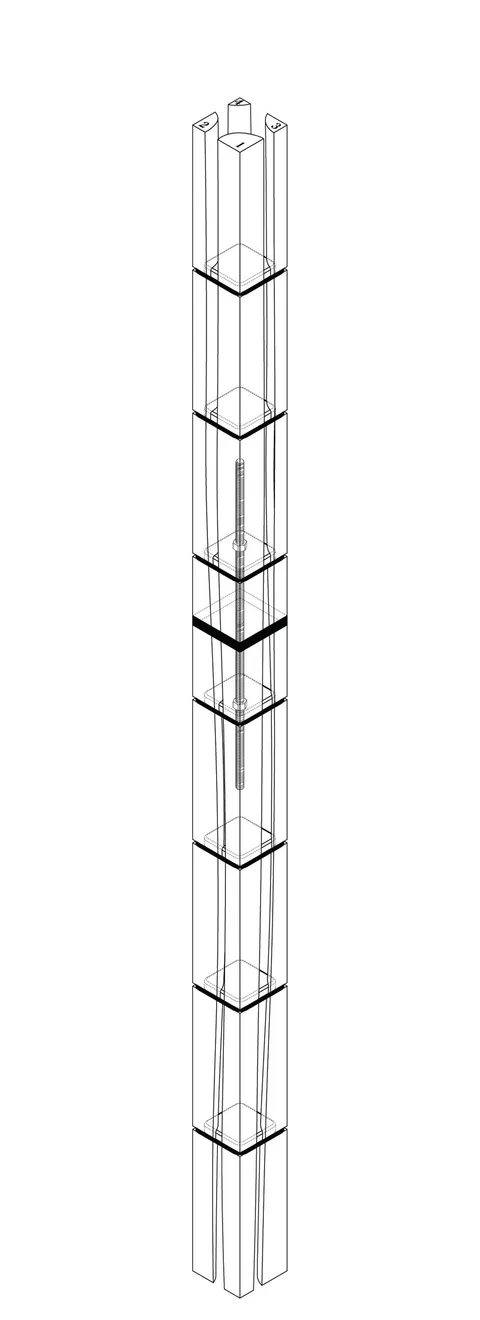
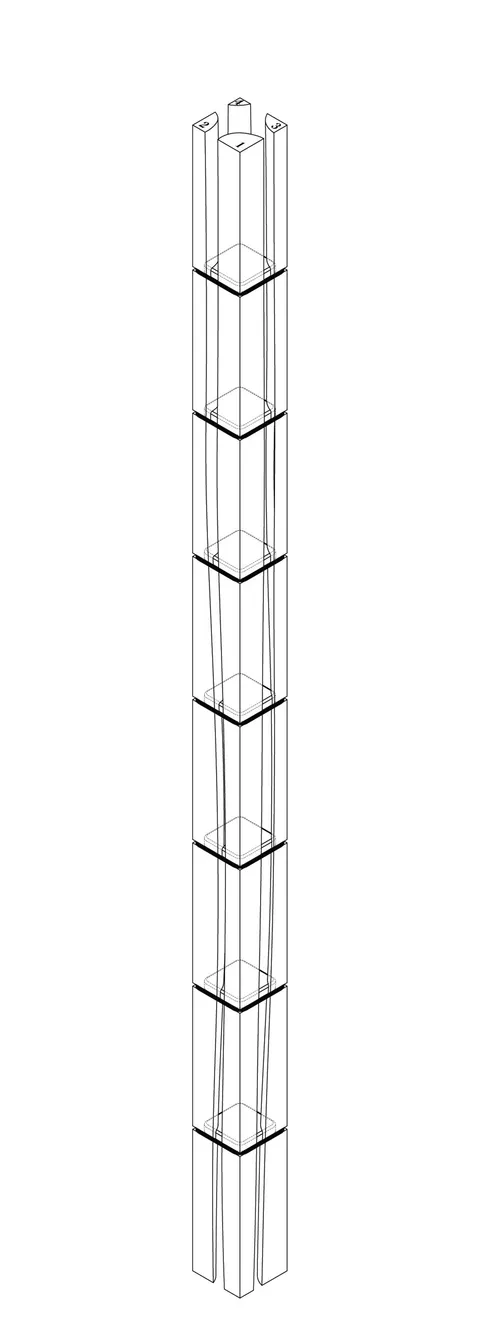
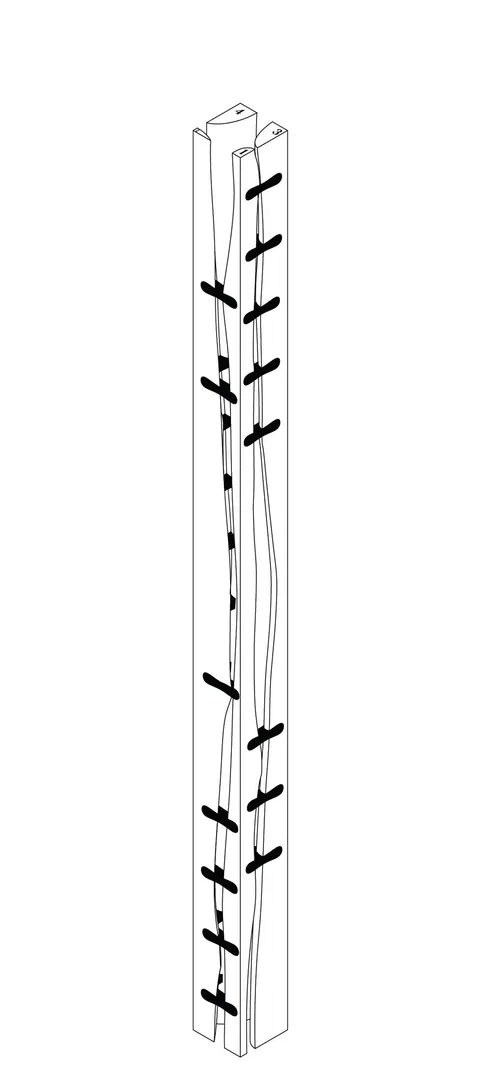
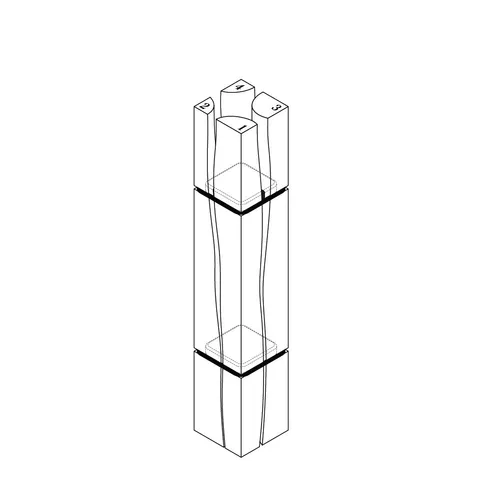
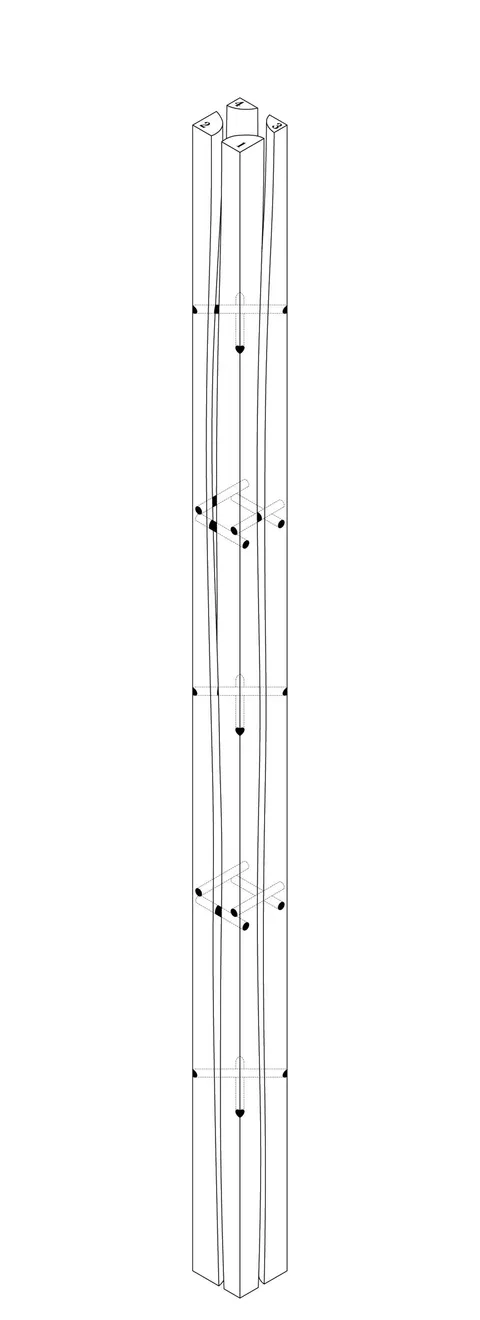
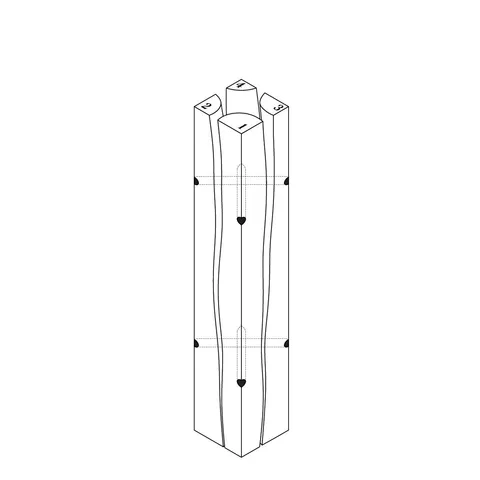
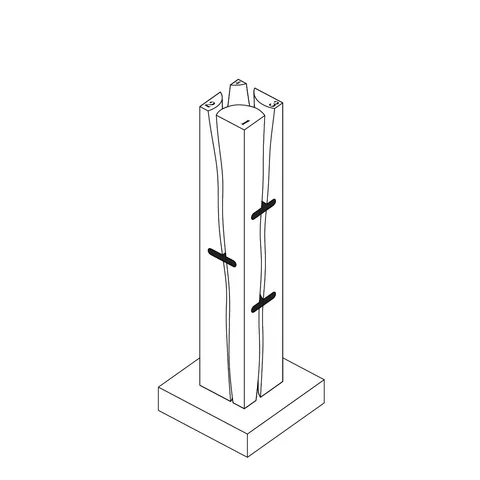
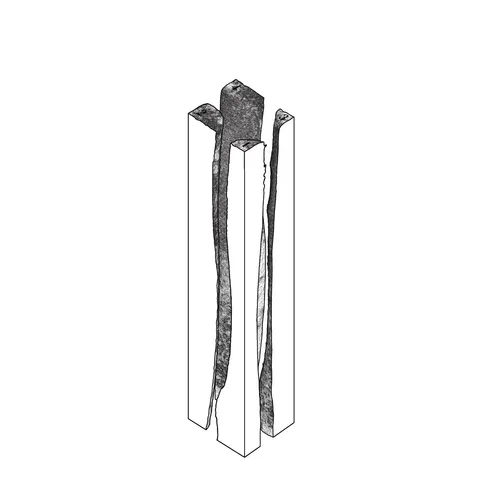
Model, experiment #1Model, experiment #2Model, experiment #3
Research, Computation
Overview
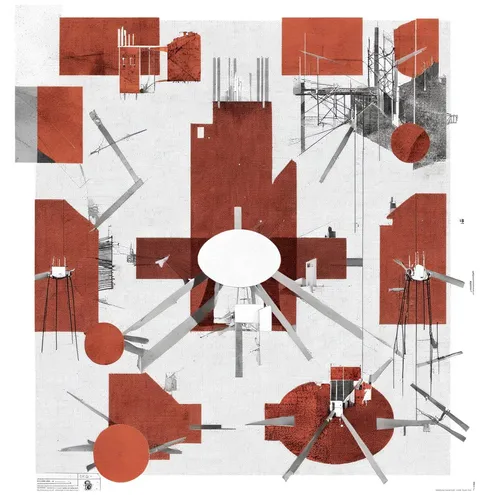
Experiment #1
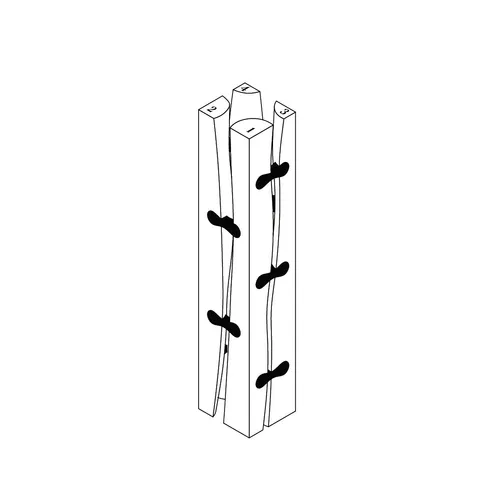
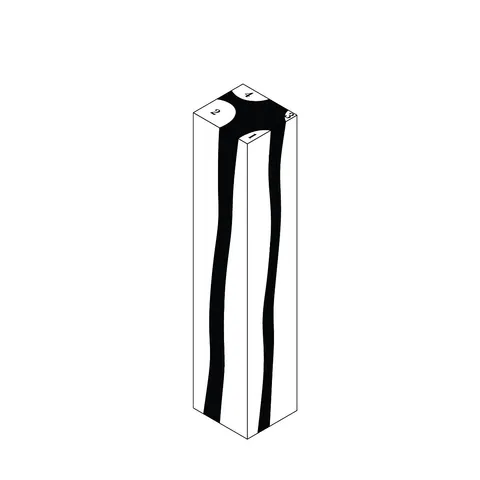
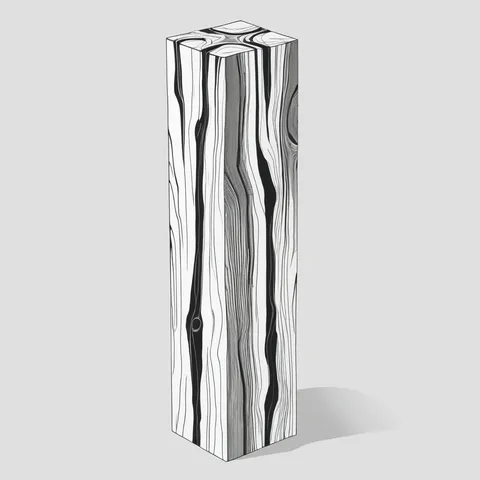
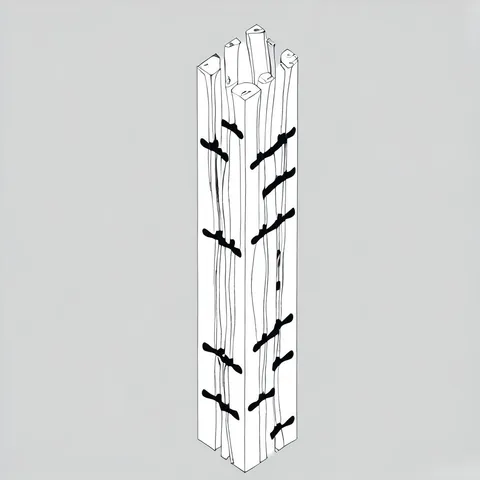
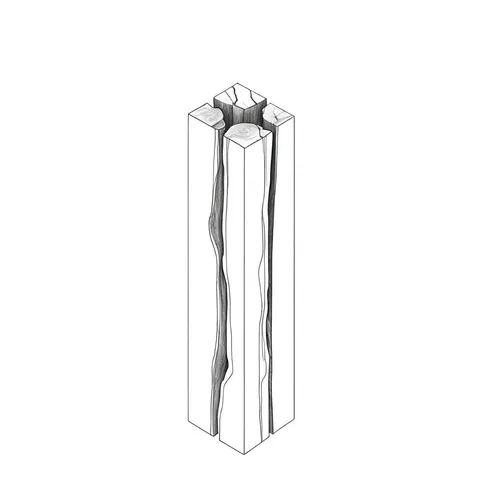
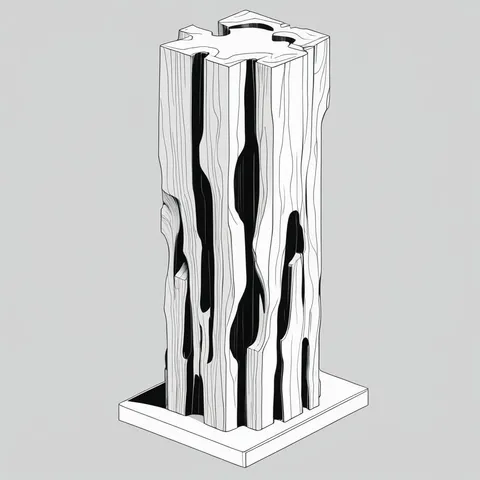
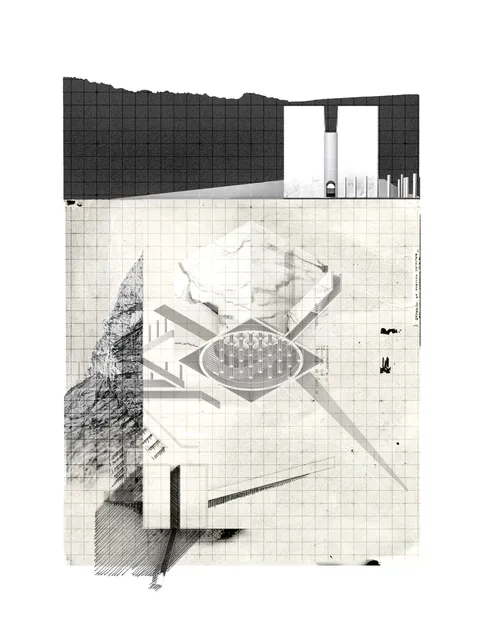
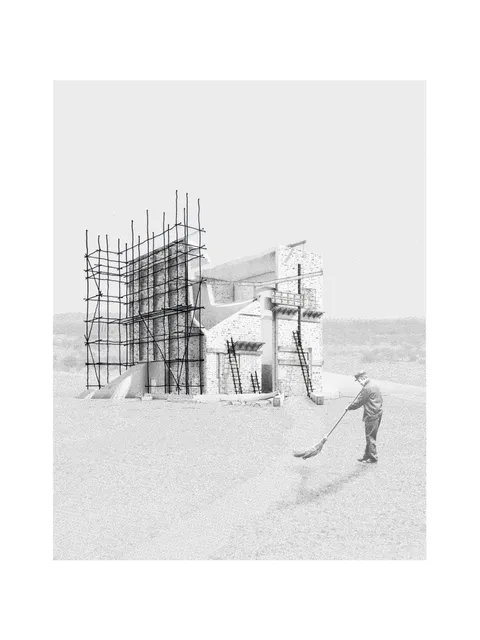
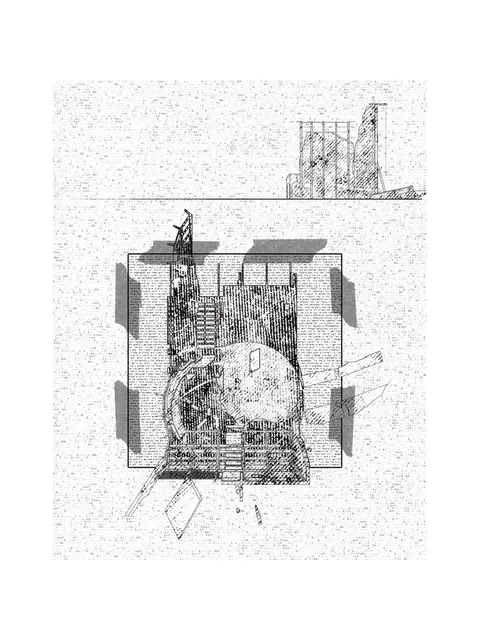
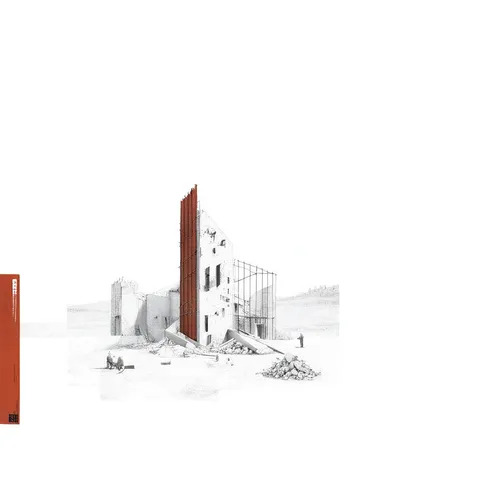
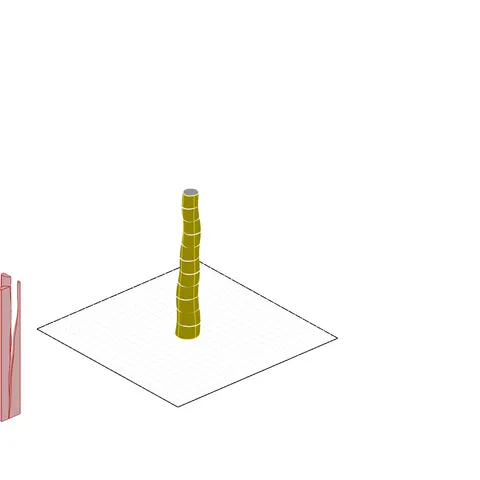
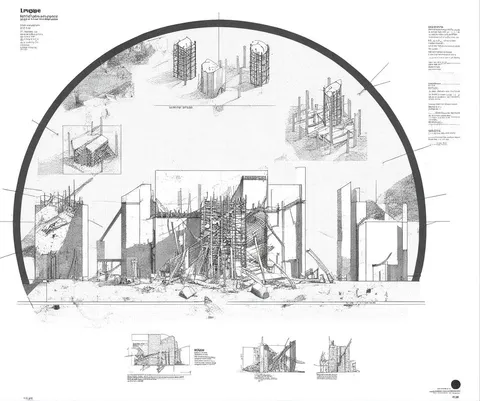
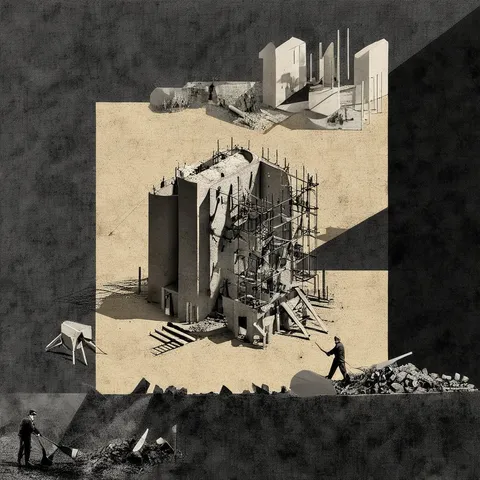
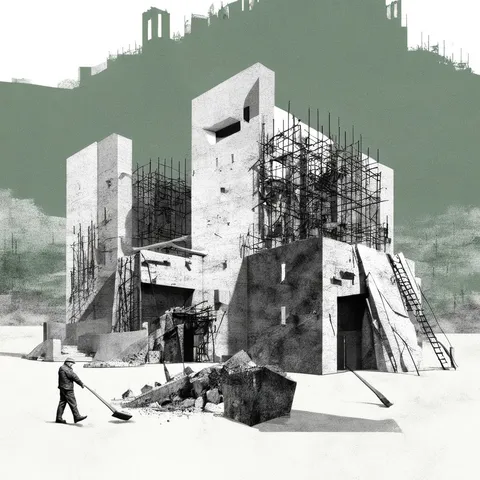
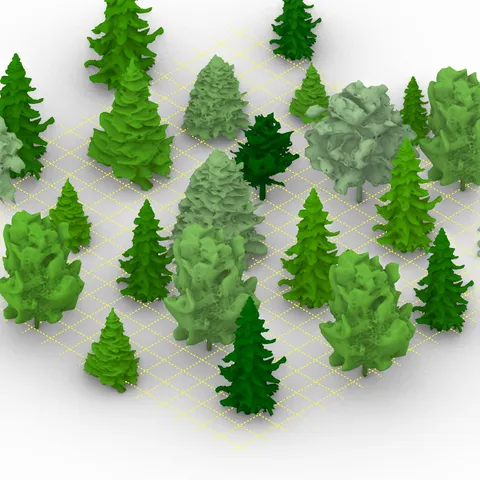
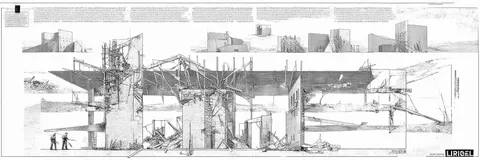
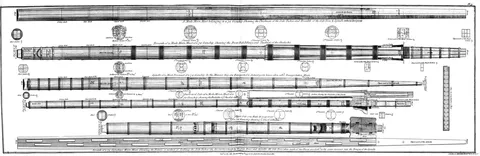
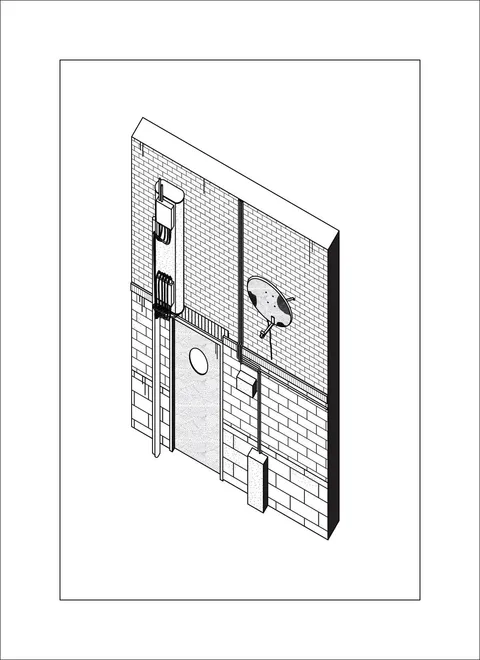
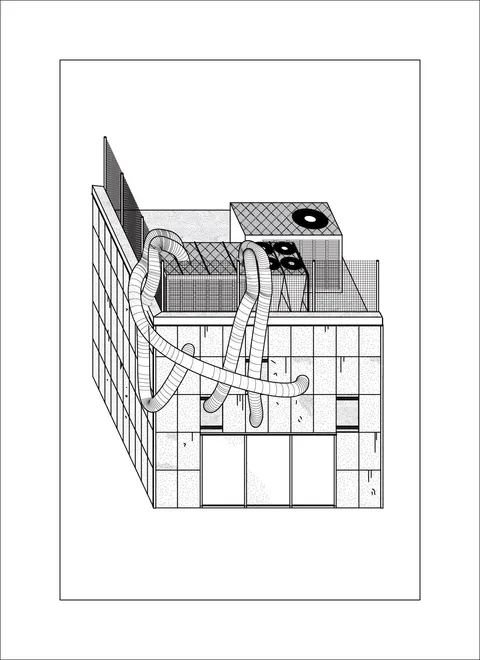
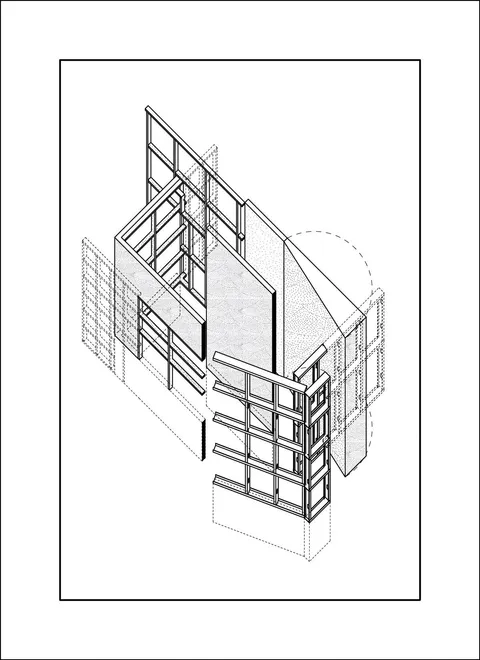
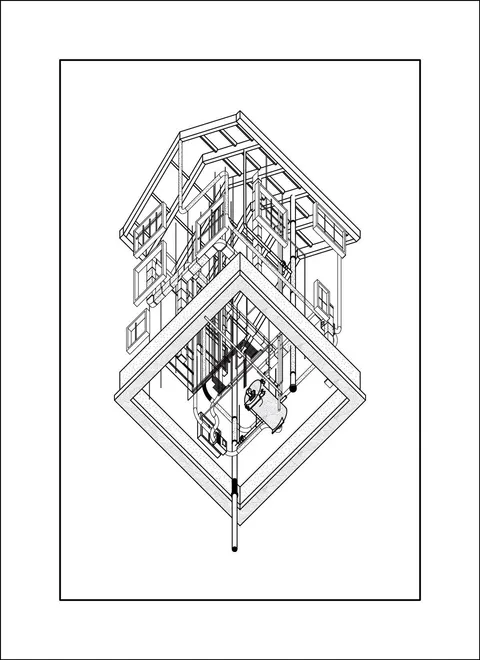
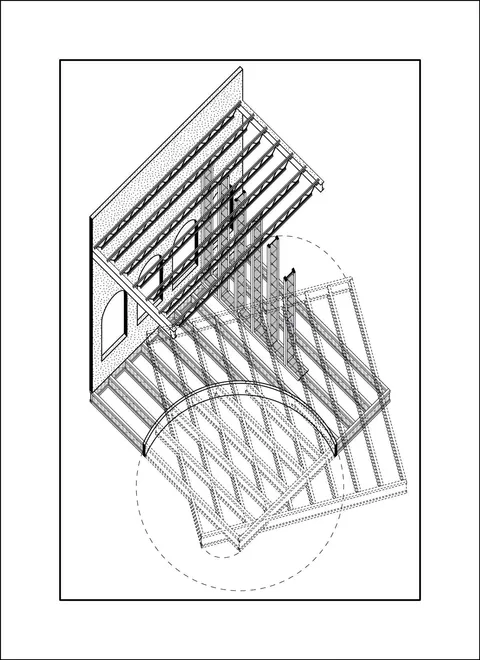
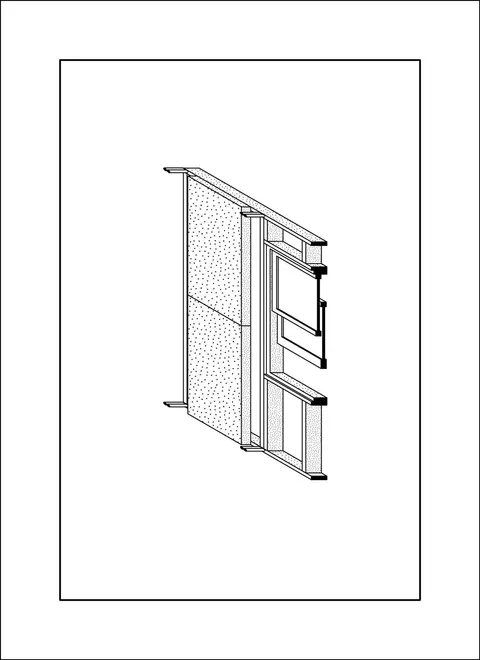
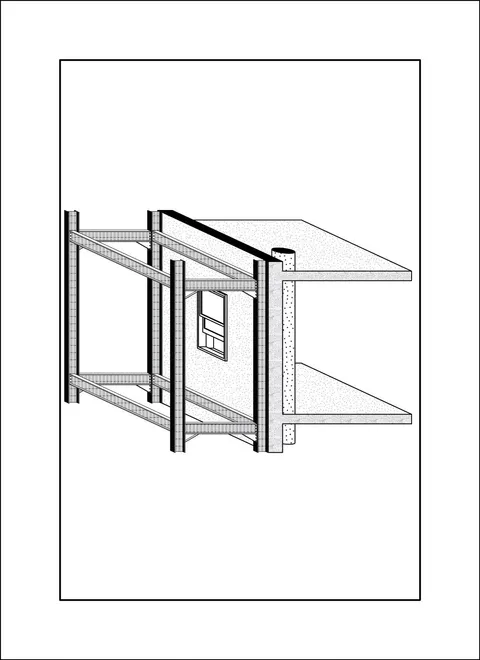
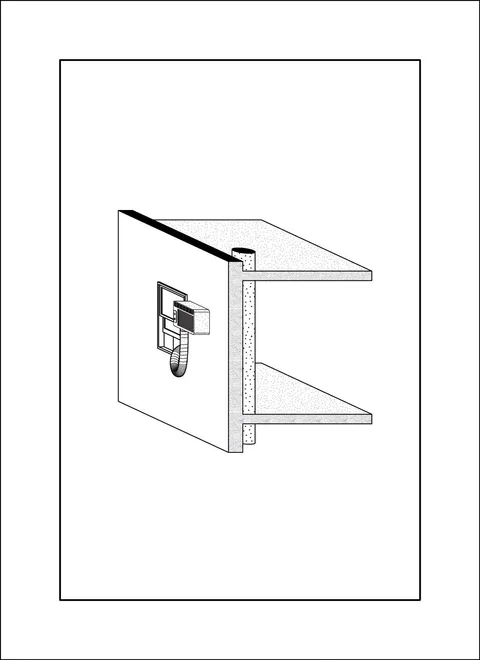
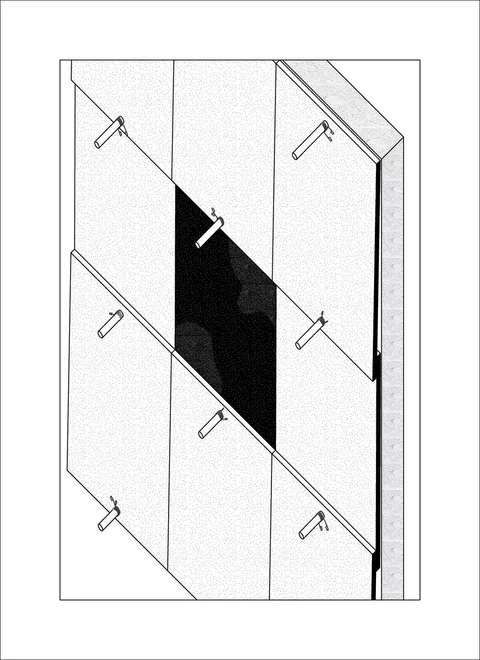
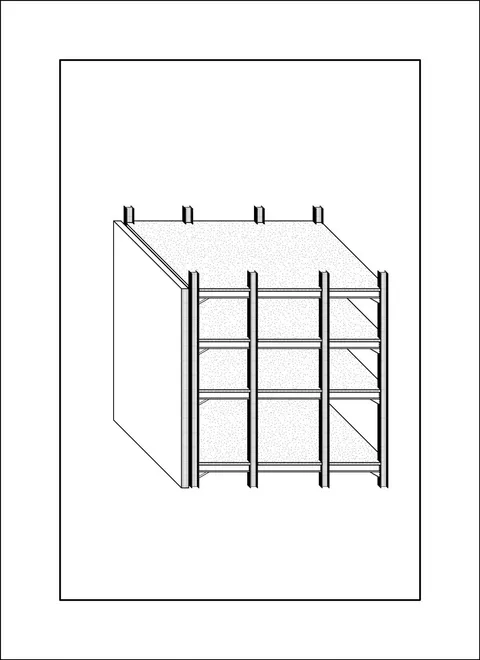
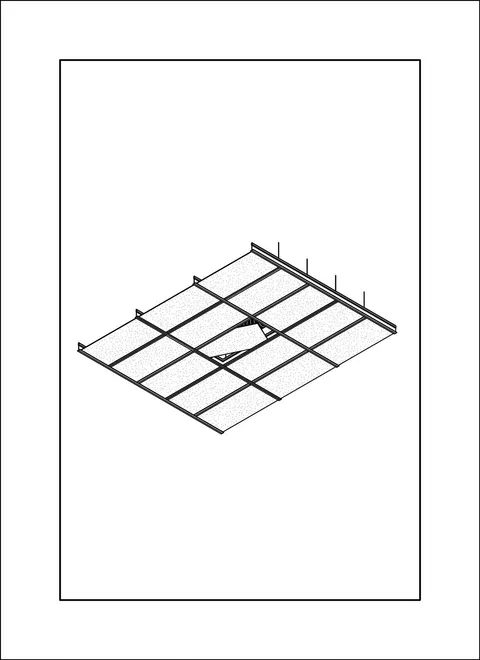
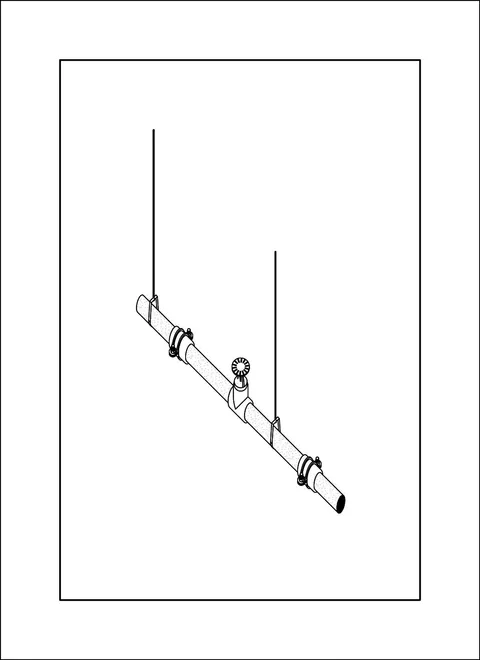
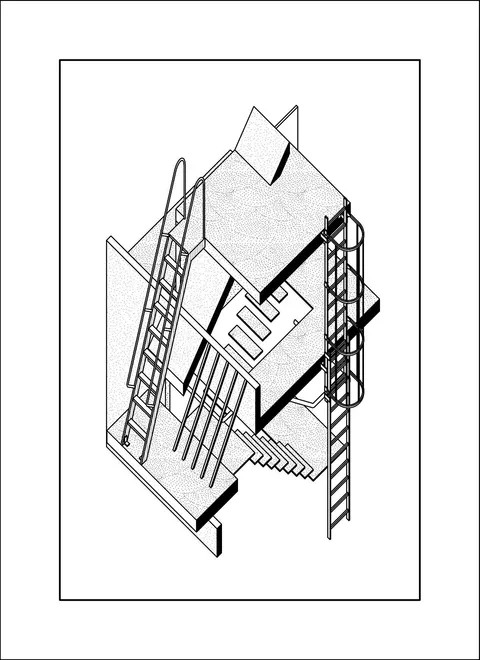
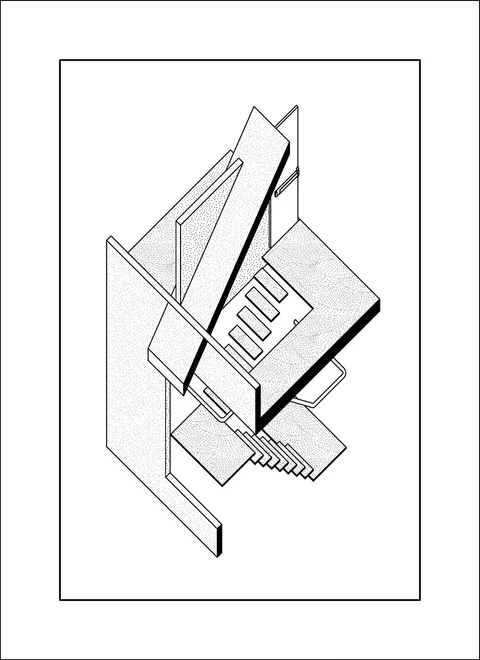
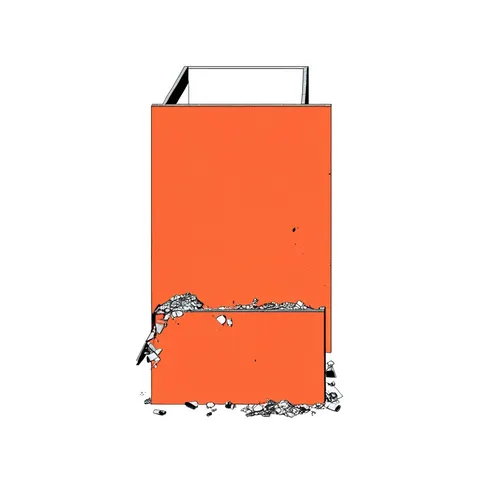
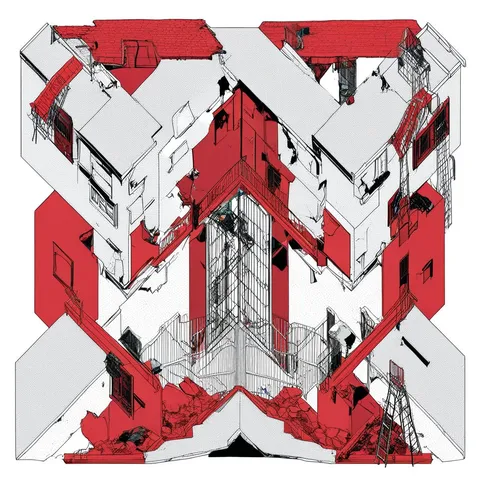
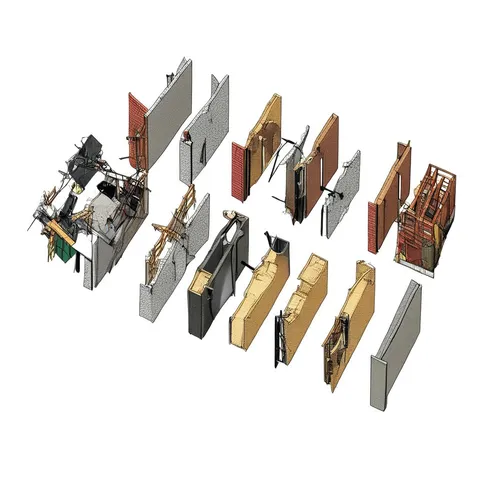
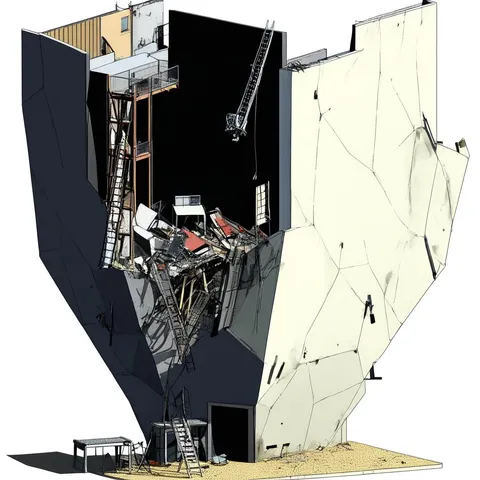
Daniel Wong was studying the lifespan of buildings and their components for his thesis, and had drawn enough images that a clear visual style was established. We trained two LoRAs on those drawings and generated new images. Many inputs came from my own thesis research on trees; the outputs were very consistent in composition and colour, and skewed towards isometric and two-point perspective views, matching the training data. A LoRA (Low-Rank Adaptation) is a layer that steers the output image towards a particular style. It is far easier to train than the main model, and LoRAs can be stacked to refine results.
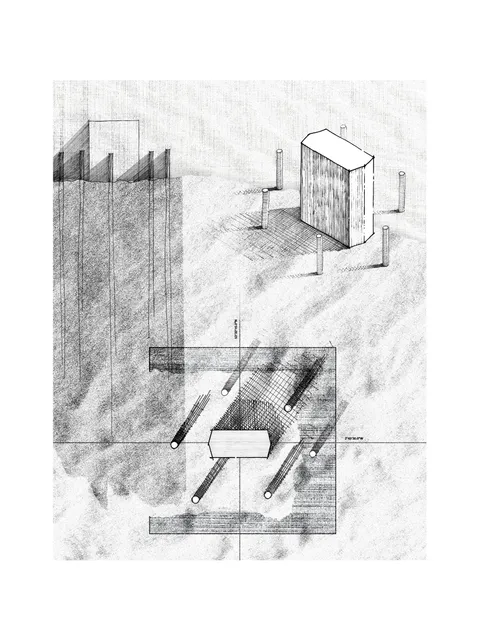
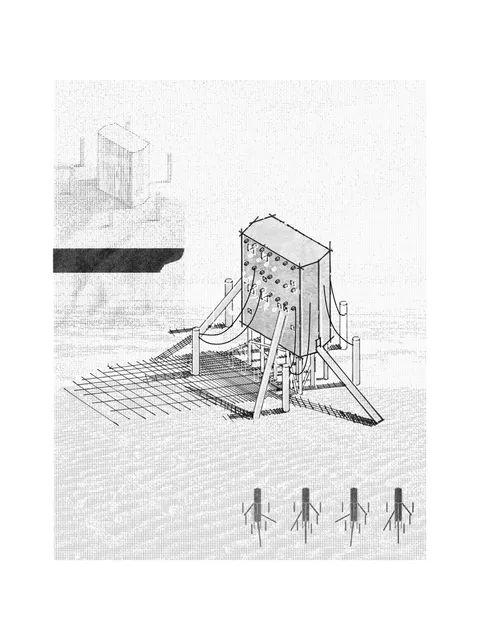
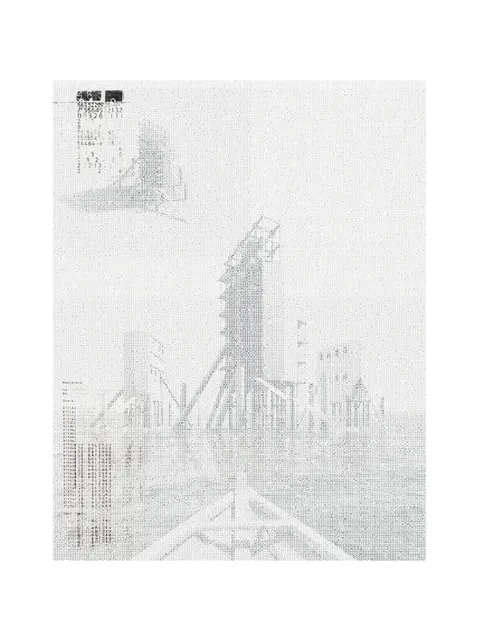
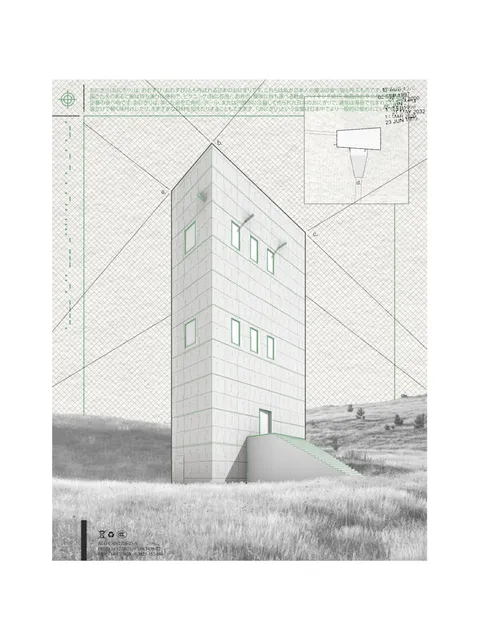
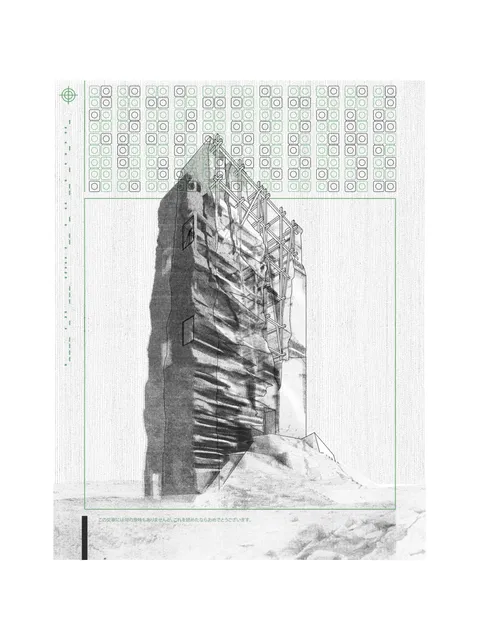
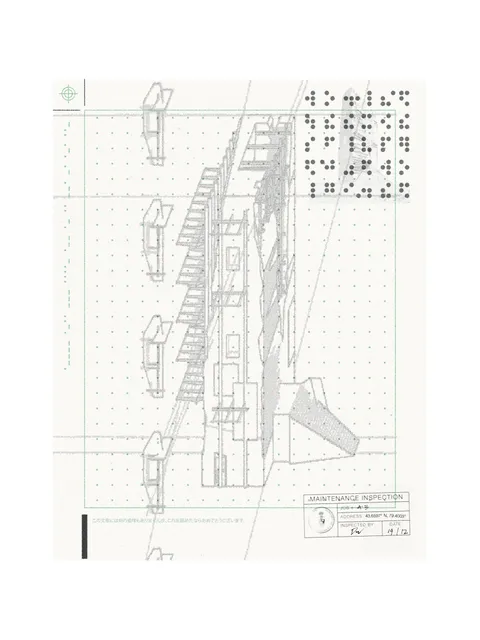
Experiment #2
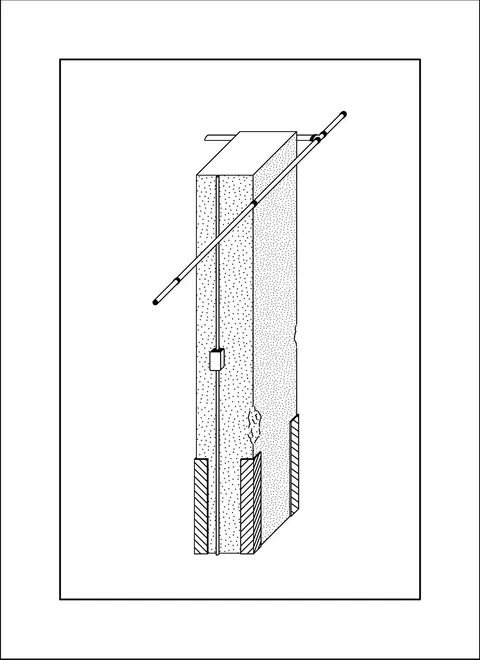
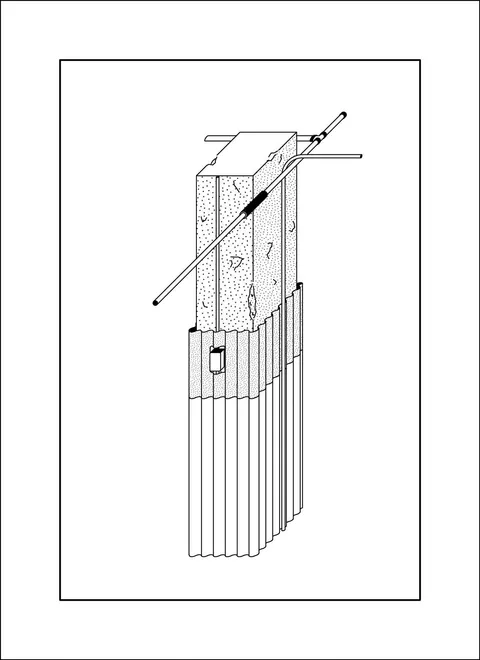
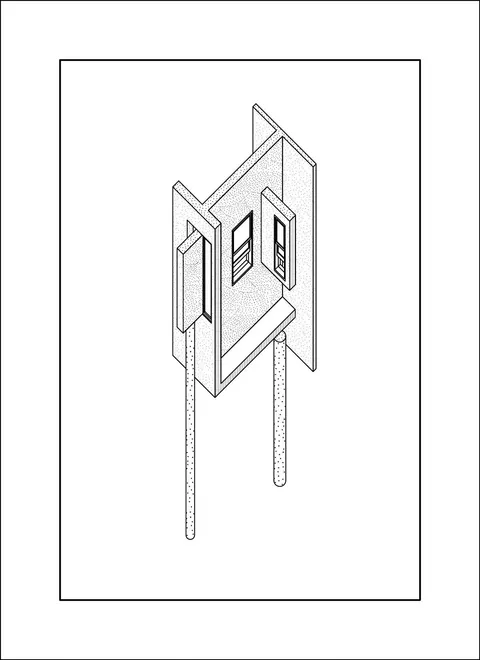
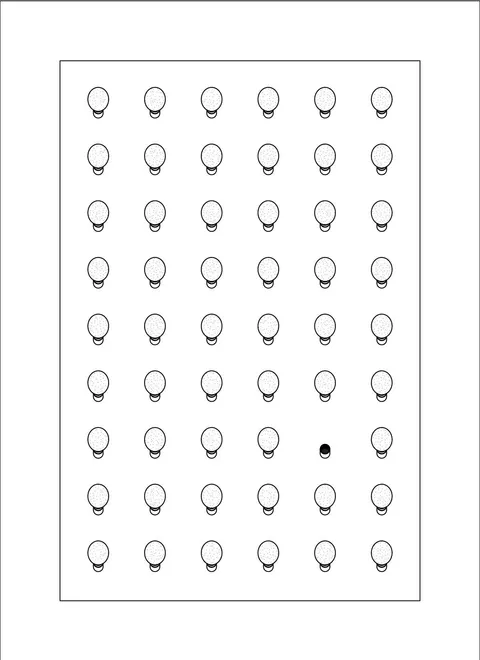
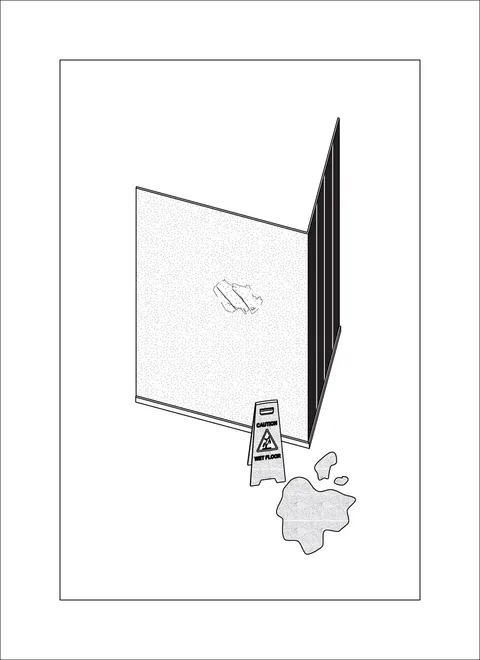
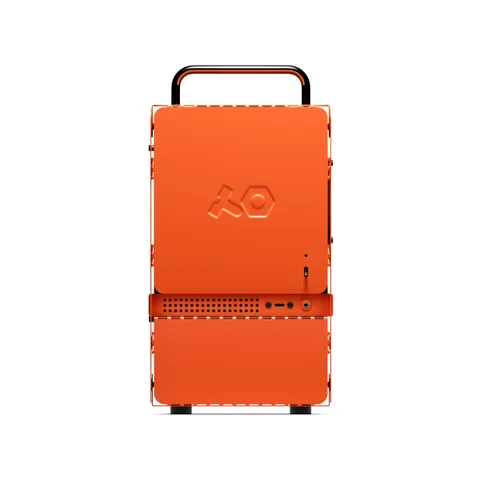
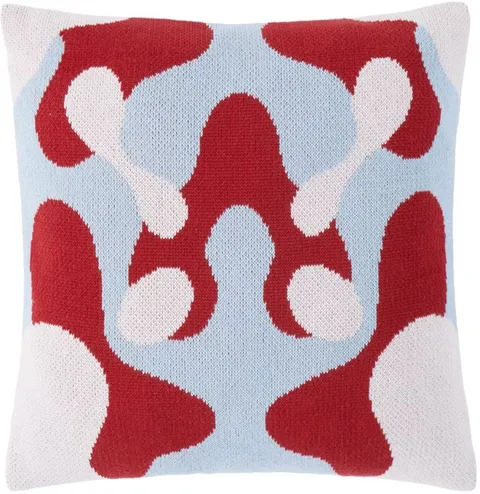
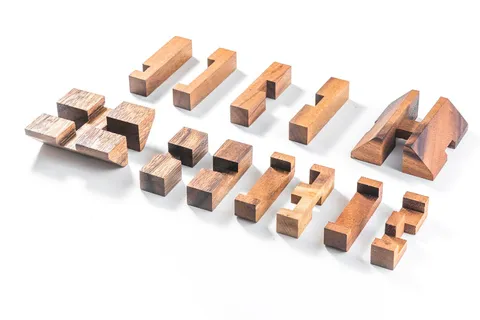
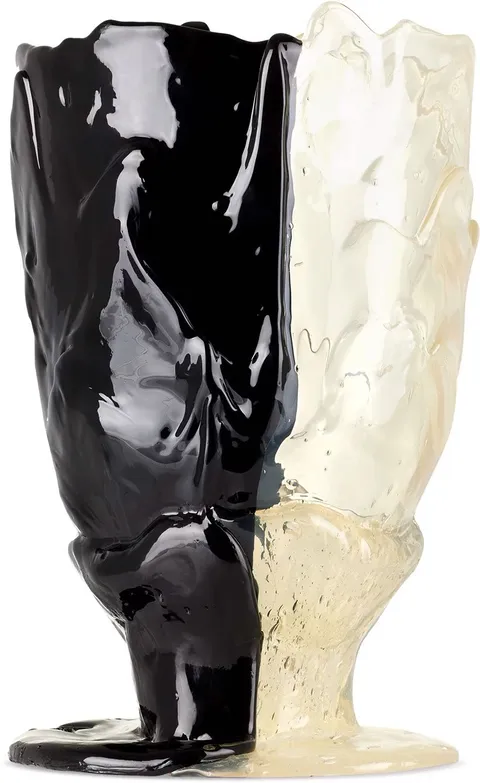
A dataset twice as large, very consistent in style and framing. The style came through, but the frame around the images did not, possibly because of aspect ratio or a lack of white space in the inputs. Results were more varied than expected; more runs are needed at higher concept strength. Colourful inputs, especially product photography, show the link between input and output most clearly.
Experiment #3
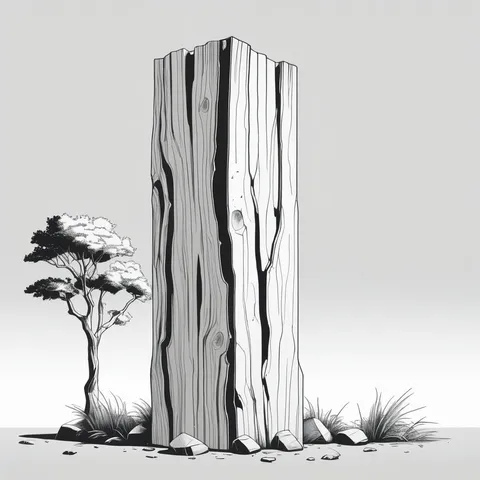
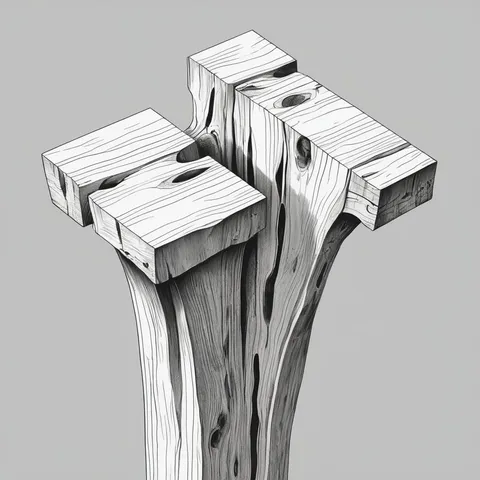
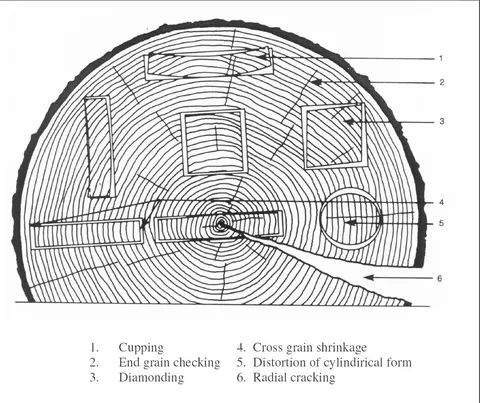
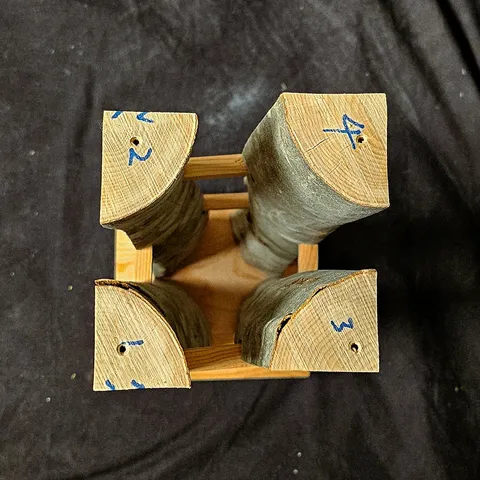
A model trained on my own thesis drawings, testing what "new" log variations could be made and mixing them with text and image prompts. Interesting generations, though usually not feasible to fabricate.